Introduction
In today's rapidly evolving industrial landscape, businesses are increasingly seeking sustainable and cost-effective energy solutions. One of the most promising avenues is the integration of solar power into factory operations. As industries strive to reduce their carbon footprint while managing escalating energy costs, solar energy emerges as a viable alternative. From manufacturing facilities to warehouses, the potential for solar panels is profound. This article will delve deep into various aspects of Factory Energy Solutions: Integrating Solar Power Effectively, exploring how factories can harness the sun’s power to drive efficiency and sustainability.
Factory Energy Solutions: Integrating Solar Power Effectively
Harnessing solar energy for manufacturing is not merely a trend; it’s a necessity in an era defined by environmental consciousness and economic prudence. The shift towards renewable energy sources, https://technivorz.com/why-your-solar-quote-is-probably-30-too-high/ such as solar power, offers manufacturers a unique opportunity to enhance their operational efficiency while contributing positively to the environment.
Understanding Solar Energy in Manufacturing
What is Solar Energy?
Solar energy is derived from sunlight using various technologies, primarily photovoltaic (PV) systems that convert sunlight directly into electricity. It is becoming increasingly popular among industries due to its ability to provide clean, renewable energy.
Types of Solar Technologies for Factories
Photovoltaic Panels

Concentrated Solar Power (CSP)
CSP systems use mirrors or lenses to focus sunlight onto a small area, generating heat that can be converted into electricity.
Solar Thermal Systems
These systems capture and utilize heat from the sun for heating applications within manufacturing processes.
Benefits of Solar Panels for Factories
Cost Savings on Electricity Bills
One of the primary drivers for adopting solar panels in factories is the significant reduction in electricity costs. By generating their own electricity, companies can mitigate dependency on grid power and stabilize their energy expenses over time.
Enhanced Sustainability Efforts
Integrating solar panels aligns with corporate social responsibility goals. Companies that adopt renewable energies showcase their commitment to sustainability and often enjoy enhanced brand loyalty from environmentally conscious consumers.
Energy Independence
With rising global energy prices and fluctuating supply chains, factories that invest in solar power can achieve greater autonomy regarding their energy consumption.
Choosing Industrial Solar Panels: Factors to Consider
When selecting industrial solar panels for factories, several factors must be taken into account:
Panel Efficiency
Higher efficiency panels produce more electricity per square meter.
Warranty Period
A long warranty period indicates manufacturer confidence in product durability.
Cost-Effectiveness
Local Climate
Understanding local weather patterns can influence panel selection for optimal performance.
Space Availability
Assessing roof space or land availability helps determine the size of the installation.
Factory Solar Panel Installation Process
Step 1: Site Assessment
A comprehensive site assessment determines if your factory is suitable for solar installation. Factors evaluated include roof condition, orientation, shading obstacles, and structural integrity.
Step 2: System Design
Once suitability is established, engineers design a tailored system that meets specific electrical needs while considering future growth.
Step 3: Permitting and Approvals
Before installation begins, necessary permits must be acquired from local authorities ensuring compliance with regulations concerning safety and building codes.
Step 4: Installation Timeline
Installation typically takes between one to three weeks depending on project size and complexity. Efficient planning ensures minimal disruption during this phase.
https://essaymama.org/industrial-solar-monitoring-ensuring-optimal-performance/The Financial Aspect of Factory Solar Panel Installation
Initial Investment vs Long-term Savings
While initial costs can seem daunting—often ranging from £20,000 to £100,000 depending on factory size—the long-term savings through reduced utility bills make it worthwhile.
| Discover more here Cost Breakdown | Estimated Cost (£) | |-------------------------|--------------------| | Equipment | 15,000 - 70,000 | | Installation | 5,000 - 20,000 | | Additional Costs | 2,000 - 10,000 |
Note: Costs may vary based on location and specific requirements.
Financing Options for Factory Solar Installations
Navigating financing options can be complex but essential:
Leasing Options
Many industrial solar panel installers offer leasing arrangements where businesses pay monthly fees without upfront costs.
Power Purchase Agreements (PPAs)
Companies agree to purchase power at predetermined rates from a developer who installs and maintains the system.
Government Incentives
Various grants and financial incentives are available under industrial solar initiatives aimed at encouraging adoption of renewable technologies.
Exploring Commercial Solar Panels UK Market Trends
The UK market has seen substantial growth in commercial solar installations over recent years due largely to government policies promoting renewable energies combined with decreasing equipment prices:
- The introduction of feed-in tariffs incentivizes factories to invest in renewable solutions. Renewed focus on reducing carbon emissions has led many companies toward integrating sustainable practices such as installing commercial rooftop solar systems.
Industrial Solar Panel Systems Composition
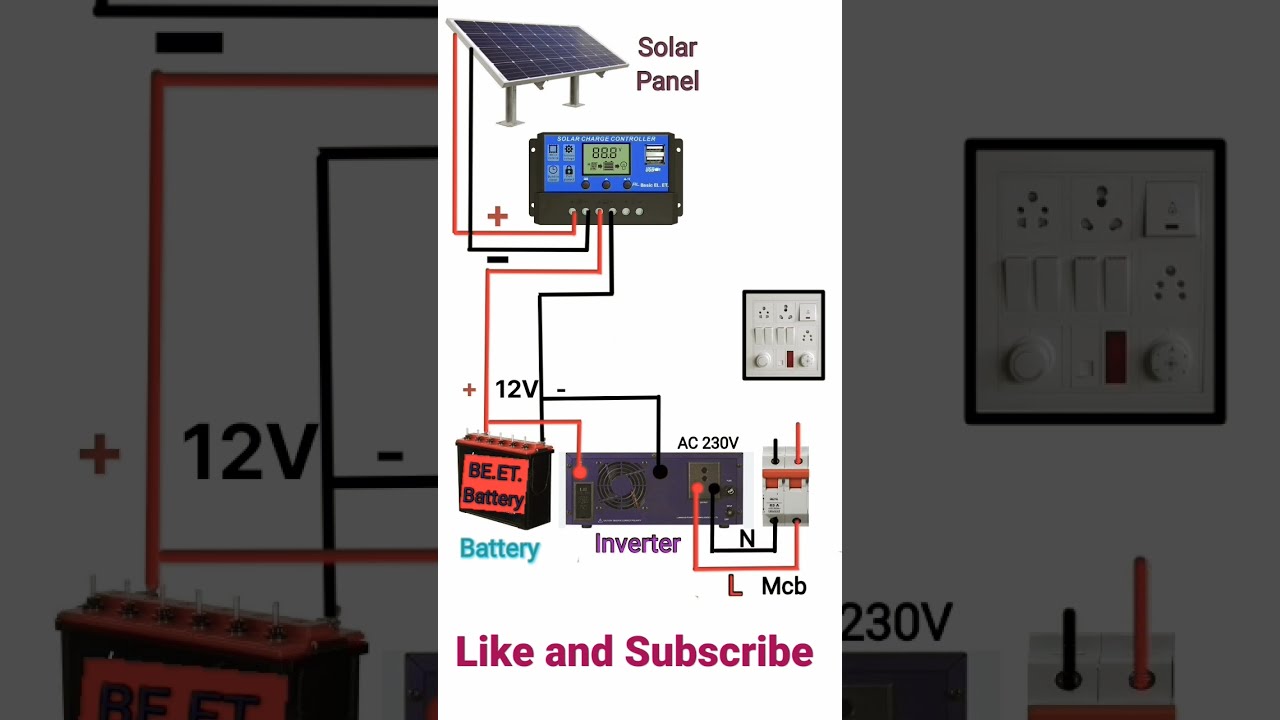
To effectively implement factory energy solutions using solar power requires understanding the components involved:
Solar Modules: The heart of any system comprising multiple photovoltaic cells converting sunlight into usable electricity.
Inverters: These transform direct current (DC) generated by panels into alternating current (AC), which machines typically use.
Mounting Structures: Essential for securely positioning panels either on rooftops or ground-mounted arrays.
Commercial Rooftop Solar Benefits for Factories
Rooftop installations provide distinct advantages:
- Utilizing unused space efficiently eliminates concerns about land availability. Reduces heat gain within buildings by providing shade thus lowering cooling costs during warmer months. It minimizes aesthetic impact compared with ground-mounted options often visible from afar.
Warehouse Solar Panel Installation Insights
Installing solar panels specifically tailored for warehouses can significantly reduce operational overheads while ensuring business continuity through reliable power generation:
- Utilizing large flat roofs maximizes available surface area leading to increased system capacity. Integrating battery storage ensures surplus energy generated during peak sunshine hours can be used during off-peak times providing consistent availability throughout day/night cycles.
Evaluating Factory Renewable Energy Incentives & Support Programs
Numerous governmental programs exist which support businesses transitioning towards renewable energies:
- Tax credits alleviate some financial burden associated with initial investments making them more appealing. Grant programs often cover a portion of installation costs bringing immediate relief against overall expenditure burdens associated with adopting new technologies like industrial battery storage solutions mentioned earlier!
FAQs About Factory Energy Solutions
What types of solar panels are best suited for factories?
Industrial-grade photovoltaic (PV) panels are typically preferred due to their high efficiency ratings and durability against harsh weather conditions.
How much does it cost to install commercial solar panels?
Costs vary widely based on several factors such as system size but generally range between £20k - £100k.
Are there incentives available when installing factory rooftop solar systems?
Yes! Incentives including tax benefits or grant programs may significantly reduce upfront costs associated with such installations.
What’s the return on investment (ROI) timeline like?
Typically ROI can be realized within 5-7 years depending upon local utility rates & installed capacity.
Can I store excess energy produced by my factory's solar installation?
Absolutely! Battery storage solutions allow you store surplus generated electricity ensuring constant availability even after sundown.
Do I need special permits before installing industrial-sized systems?
Yes! Local regulations dictate necessary permissions required prior commencing installations.
Conclusion
Embracing renewable energies like solar power presents unparalleled opportunities for manufacturers looking not only at boosting profitability but also enhancing sustainability efforts across operations globally! With advancements in technology reducing costs coupled with various financing options accessible today; integrating these measures becomes less daunting than initially perceived paving paths towards eco-friendly futures! Thusly businesses should seize this moment—utilize factory energy solutions integrating powerful resources transforming how they operate moving forward!
This comprehensive guide serves as an essential resource for any manufacturing facility considering adopting innovative approaches like utilizing sustainable practices through effective integration techniques surrounding relevant subjects outlined herein above namely "Factory Energy Solutions: Integrating Solar Power Effectively."